SEO Checklist For A WordPress Dating Site - Build Trust & Traffic
The Ultimate SEO Checklist For A WordPress Dating Site
Building a successful WordPress dating site involves more than just a great user interface and a clever matching algorithm. In the crowded online dating world, your greatest challenge is attracting your target audience and building the trust needed to make them sign up. This is where a strategic, comprehensive SEO plan becomes your most powerful tool.
A dating site, unlike a standard blog or e-commerce store, operates in a high-stakes environment where security and user trust are paramount. A single misstep can erode confidence, cripple your user base, and tank your search rankings. This SEO checklist is your roadmap to success, addressing the unique challenges of a WordPress dating site to help you establish a strong digital foundation, attract organic traffic, and build a brand that users can rely on.
Key Takeaways
- Trust is your number one ranking factor: Beyond technical SEO, trust signals like a secure site (HTTPS), clear privacy policies (GDPR), and strong security are non-negotiable for dating sites.
- Hosting is a critical SEO decision: Your site's speed and ability to handle traffic spikes are directly linked to user experience and rankings. Choose a host with SSD storage, a CDN, and scalability.
- Long-tail keywords convert best: Focus on specific, niche phrases like "dating app for professionals over 30" to attract high-intent users rather than broad, competitive terms.
- User-generated content is a double-edged sword: It's great for SEO, but you must have a clear moderation strategy to avoid low-quality or inappropriate content that can harm your brand and rankings.
- SEO for a dating site is a holistic process: Success depends on a careful balance of technical SEO, content marketing, and a proactive focus on privacy and user experience.
Foundation & Setup

Before you can even think about keywords, your site's foundation must be rock-solid. For a dating site, this means prioritizing performance, security, and a user-friendly framework from day one.
Hosting & Technical Infrastructure
Choosing the right hosting provideris one of the most critical decisions you’ll make. Your host’s performance directly impacts your page speed, a key ranking factor and a make-or-break element for user experience. Slow load times on a dating site lead to high bounce rates and fewer sign-ups.
- Fast SSD storage and CDN integration are non-negotiable for quick content delivery. A CDN is particularly vital for a global user base.
- SSL certificates for secure HTTPS connections are a must. They encrypt sensitive user data, building trust and satisfying a core Google ranking requirement.
- 99.9%+ uptime guarantees prevent lost opportunities. Traffic spikes from a successful marketing campaign should be celebrated, not feared.
- Scalable resources allow your site to grow without downtime.
Install & Configure WordPress Settings
Once you have your hosting in place, a few simple settings will set you up for SEO success. An SEO plugin is your command center for on-page and technical SEO.
- Choose a reputable SEO pluginlike All in One SEO (AIOSEO), Yoast SEO, or Rank Math SEO. These tools help with everything from titles and meta descriptions to schema markup.
- Set permalink structure to "Post name" in your WordPress settings. This creates clean, readable, and keyword-rich URLs that are easy for both users and search engines to understand.
- Ensure "Discourage search engines from indexing this site" is unchecked. This is a surprisingly common mistake for sites that are in development.
- Choose a mobile-responsive theme. Over 80% of online dating activity happens on mobile devices, making a responsive theme an essential user experience and SEO factor.
Security & Compliance
Security and compliance are not just good practices for a dating site; they are a fundamental part of your SEO and business strategy. Google rewards trustworthy sites, and users will abandon a site they don't feel is secure.
- Implement HTTPS across your entire site and use a proper SSL certificate. Google's algorithm favors secure sites. For dating sites, this also reassures users that their personal information is protected.
- Adhere to GDPR and privacy compliance laws. This is mandatory for any site handling sensitive user data. You must have a clear privacy policy, a cookie consent mechanism, and a way for users to access, correct, or delete their data.
- Enhance WordPress security with regular core, theme, and plugin updates. Install a security plugin like Wordfence or Sucuri and use strong passwords and two-factor authentication for all admin accounts.
Keyword Research & Content Strategy
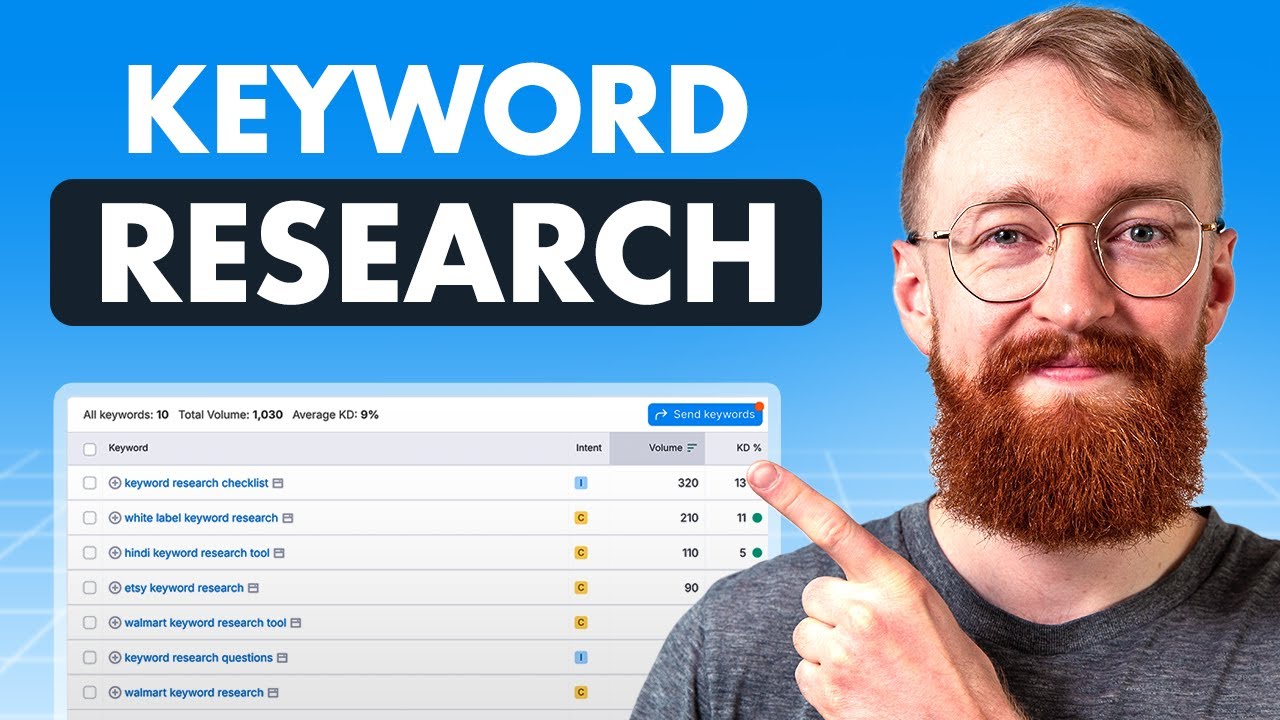
Keyword Research for SEO in 2026: Step-by-Step Tutorial
Your SEO foundation is ready. Now it's time to build a content strategy that attracts your ideal users.
Dating-Specific Keyword Research
Standard keyword research applies, but for a dating site, it needs to be laser-focused on your specific niche and user journey.
- Primary keyword categories should include general terms ("online dating"), niche-specific terms ("christian dating," "professional dating"), and location-based keywords ("singles in [city]").
- Use tools like SEMrush or Ahrefs to spy on what your competitors are ranking for. AnswerThePublic can help you find question-based keywords that you can answer in your blog content.
- Target long-tail keywords. These are less competitive and often have a higher conversion rate. A search for "best dating app for professionals over 30" indicates a user who is further along in their decision-making process than someone searching for "dating sites."
Content Creation Strategy
High-quality, original content is the fuel that powers your organic traffic. For a dating site, this content should not only be optimized for keywords but also aim to build community and trust.
- Create valuable content like dating advice, relationship tips, and success stories. Location-specific guides ("Best date spots in London") are excellent for local SEO.
- Optimize content with best practices: Include keywords naturally, use clear header tags (H1, H2, H3), write compelling meta descriptions, and use descriptive alt text for images.
On-Page & User Experience Optimization

On-page SEO is how you signal to search engines what your content is about. For a dating site, this also means making sure your pages are intuitive and fast for users.
Page-Level Optimization
Every page on your site, from your homepage to a blog post, needs to be optimized for maximum search visibility.
- Optimize title tags and meta descriptions. Your title tags should include primary keywords and be under 55 characters. Your meta descriptions should be unique, compelling, and under 155 characters to encourage clicks.
- Develop an internal linking strategy. Link relevant blog posts together to create topical clusters and help distribute authority across your site. Use descriptive anchor text that includes keywords.
- Maintain a clean URL structure. Your URLs should be short, readable, and include relevant keywords.
User Experience Optimization
Google's Core Web Vitals are now a core ranking factor. For a dating site, a fast, mobile-friendly experience is not a bonus; it's a requirement.
- Prioritize mobile optimization. Test your site on various mobile devices to ensure the user registration process, matching features, and navigation are seamless.
- Optimize page speed with image compression, a caching plugin like WP Rocket, and a CDN. A fast site is a good site, and a good site ranks well.
Technical SEO Requirements
Technical SEO is the backstage work that ensures search engines can properly crawl, index, and understand your site's content.
Crawling & Indexing
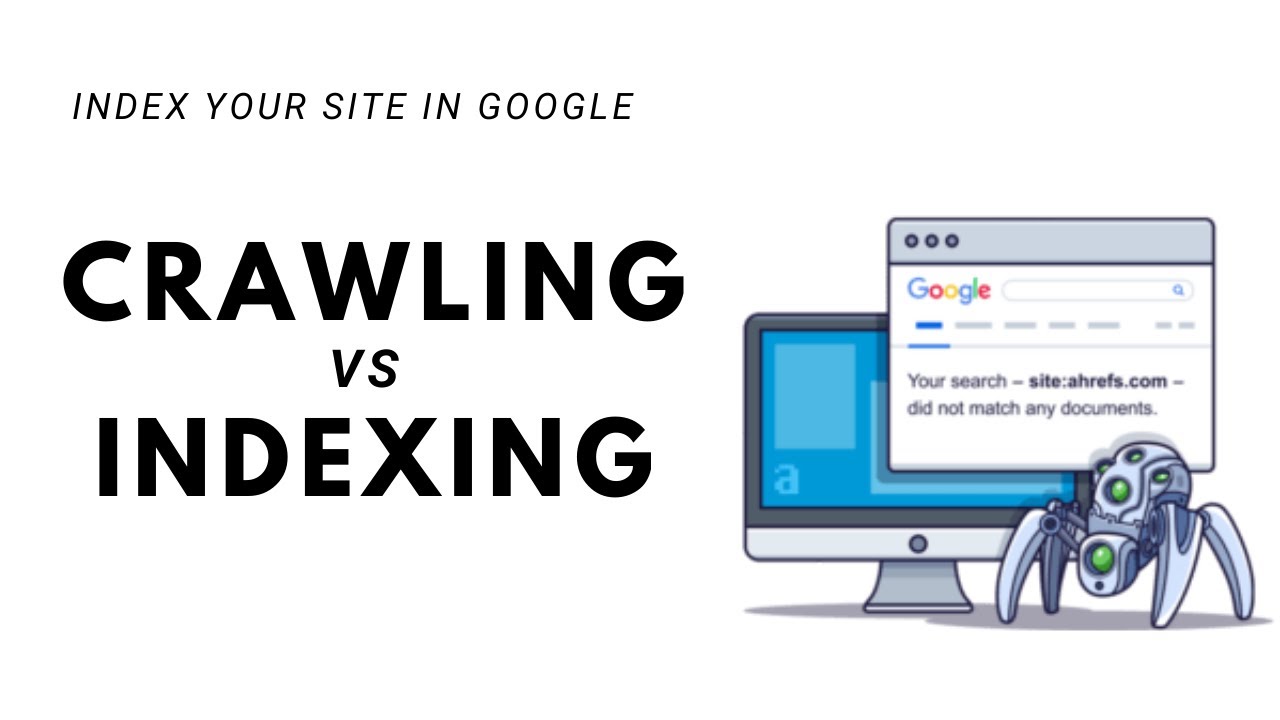
Crawling vs Indexing - How to Index a Site in Google
If search engines can't find and understand your content, your SEO efforts are worthless.
- Use XML sitemaps to help search engines discover all your important pages. Submit your sitemaps to Google Search Consoleand update them regularly.
- Optimize your Robots.txt file to guide crawler behavior. Block access to administrative areas and private pages while allowing access to public profiles and content.
- Implement Schema markup for rich snippets. Use the Organization schema for your business, the Article schema for your blog posts, and the FAQ schema for relevant content.
Site Architecture
A well-structured site is easy for both users and search engines to navigate. It creates a clear path to all your important content and helps establish your site as an authority.
- Build a clear navigation hierarchy with main categories and user-friendly pagination for large member directories.
- Handle duplicate content issues. Dating sites often have similar user profiles or location pages. Use canonical tags to tell search engines which version is the primary one, preventing ranking issues.
Content & Link Building
Even the most optimized site will struggle to rank without a strong content and link-building strategy.
Content Marketing Strategy
Content marketing for a dating site is all about building a community and establishing your brand as a trusted resource.
- Publish content regularly. Consistent content tells Google that your site is active and relevant. Think weekly blog posts, success stories, and seasonal content.
- Create content types that perform well in the dating niche. This includes how-to guides, relationship expert interviews, and dating trend analyses.
Link Building Strategies
Backlinks are still one of the most powerful ranking signals. For a dating site, focus on earning links from relevant, high-authority sources.
- Build industry-specific links through guest posting on relationship blogs or partnering with dating coaches.
- Create linkable assets like original research studies or dating statistics that other sites will want to reference.
- Always focus on ethical link building. Avoid spammy or low-quality links that can harm your rankings.
Monitoring & Analytics
SEO is not a one-time task; it's an ongoing process. Consistent monitoring is how you track progress, identify problems, and stay ahead of the competition.
Essential Tracking Setup
- Use Google Search Console to monitor keyword rankings, track crawl errors, and submit your sitemaps. This is your primary tool for understanding how Google sees your site.
- Configure Google Analytics to track key user behaviors. Set up goals for user registrations and track conversion rates to see how organic traffic is contributing to your business.
Regular SEO Audits
- Conduct monthly SEO health checks to review site speed, monitor keyword rankings, and check for broken links.
- Perform compliance monitoring by regularly reviewing your privacy policies and ensuring your site remains GDPR compliant.
Industry-Specific Considerations
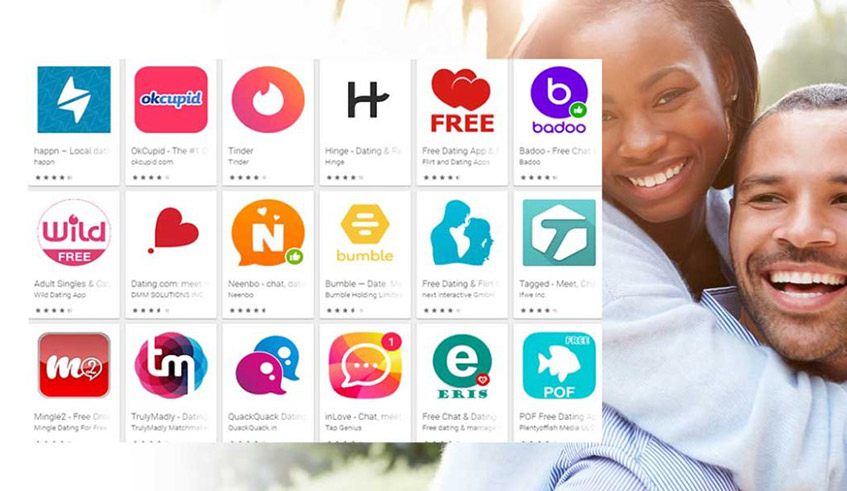
Dating sites face unique challenges that require a proactive and careful approach to SEO.
User Privacy & Data Protection
- Data security is a trust signal. You must encrypt sensitive user data and implement secure payment processing.
- Build transparency and trust with clear, easy-to-understand privacy policies. A user verification system also adds a layer of trust.
Performance Optimization
- Optimize Core Web Vitals to ensure a fast, smooth user experience. This is critical for sites with a lot of user interaction and dynamic content.
- Clean and optimize your database regularly. User-heavy sites with many profiles can suffer from database bloat, which slows down your site.
Frequently Asked Questions
How Often Should I Perform An SEO Audit On My Dating Site?
You should conduct a full, comprehensive audit at least once a quarter. However, a lighter monthly health check focusing on keyword rankings, site speed, and crawl errors is a good practice to catch issues early.
Can I Use A Subdomain For My Blog On A Dating Site?
Yes, using a subdomain like blog.yourdatingsite.comis a common practice. However, a subfolder like yourdatingsite.com/blog/is often preferred by SEO experts because it helps consolidate all of the site's authority into a single domain.
How Should I Handle User-generated Content For SEO?
You must have a robust content moderation system to ensure quality. Implement noindextags on private, low-value, or empty user profiles to prevent them from negatively impacting your site's quality signals. For public, high-value profiles, ensure they have unique content and are discoverable by search engines.
What Are The Most Important Core Web Vitals For A Dating Site?
Largest Contentful Paint (LCP) and First Input Delay (FID) are the most important. A fast LCP ensures users can see and interact with profile images and other key content quickly. A low FID ensures the site is responsive to user clicks, which is crucial for navigation and the matching process.
Is Keyword Stuffing In User Profiles A Good Idea?
Absolutely not. Keyword stuffing in user-generated content or profiles is a black-hat SEO tactic that can lead to penalties from Google. Focus on creating a good user experience and let users describe themselves naturally.
How Can A Dating Site Get Local SEO Rankings Without A Physical Location?
You can target local keywords through content. Create blog posts on "best date spots in [city]" or "singles events in [city]." You can also create dedicated, optimized location pages for major metropolitan areas you serve.
Should I Noindex My Login And Registration Pages?
Yes, you should. Pages like login, password reset, and registration forms provide no value to search engines and do not need to be indexed. Use a noindextag to keep these out of search results.
What’s The Biggest Mistake A New Dating Site Owner Makes With SEO?
The biggest mistake is ignoring technical SEO and security. Without a strong, fast, and secure foundation, all other SEO efforts—from keyword research to content creation—will be undermined. Trust is the foundation of a dating site, and it begins with your technical infrastructure.
Quick Recap
A successful SEO strategy for a WordPress dating site requires a multi-faceted approach. It starts with a strong technical foundation built on speed and security, moves to a content strategy that attracts your target audience, and is ultimately sustained by an unwavering commitment to user trust, compliance, and ongoing monitoring.
By following this comprehensive checklist, you'll be well-equipped to navigate the unique challenges of the dating industry and build a thriving, authoritative online platform.